By PSI – Plumbing Systems Inc. | Vail Valley, Summit County & Aspen
We get called out to a lot of homes in the Vail Valley where someone already has a mini split — and it’s either undersized, iced up, or just not doing what the homeowner thought it would. Nine times out of ten, the system wasn’t designed for altitude. The installer treated it like a job in Denver, maybe Phoenix, punched in the square footage, and called it done. That’s not how it works up here. And after 25-plus years doing this work between Silverthorne and Aspen, we feel like it’s time to lay out what mini splits actually do well in the high country, where they fall short, and what separates a system you’ll love from one you’ll regret.
First — What Even Is a Mini Split?
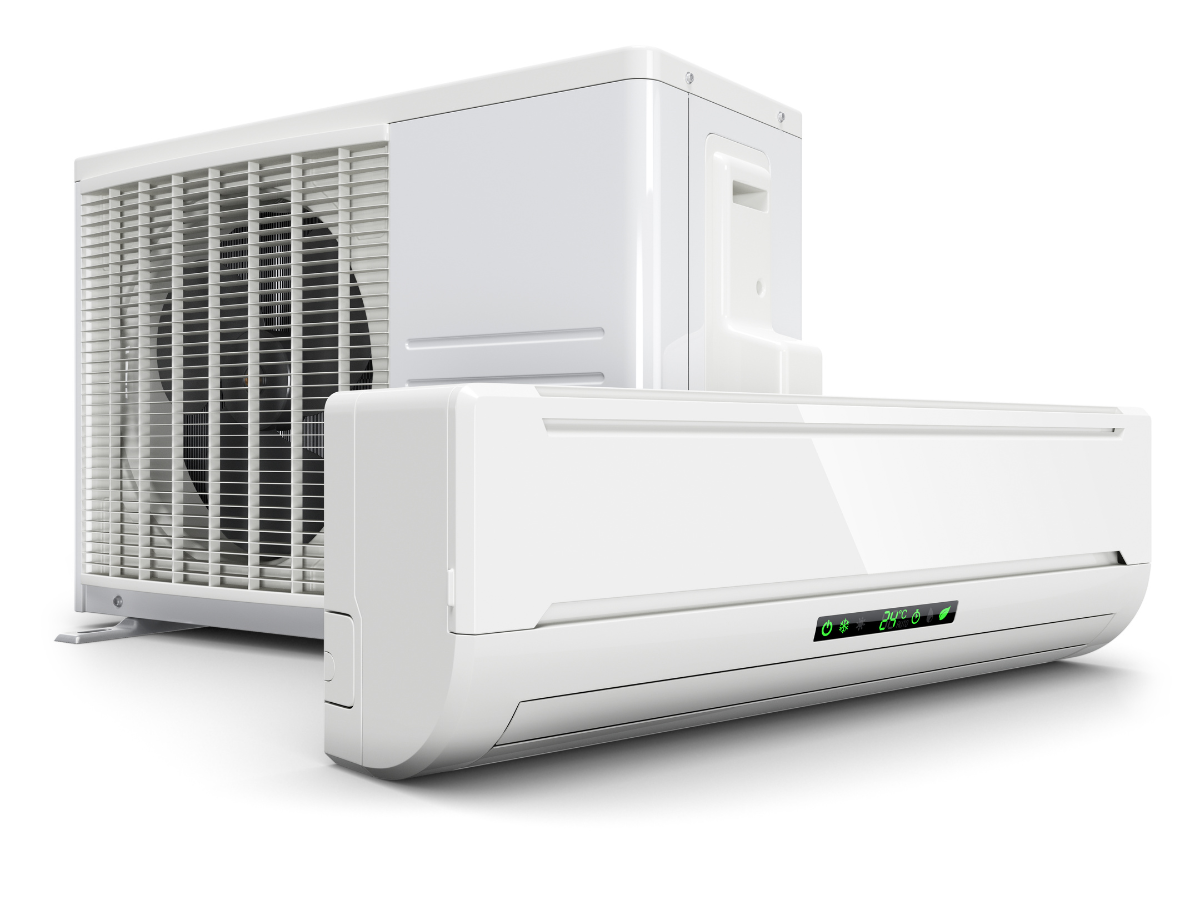
If you’re not already familiar: a mini split is a ductless heating and cooling system. Outdoor compressor, one or more indoor wall or ceiling-mounted air handlers, connected by refrigerant lines. No ductwork threading through your walls and floors. The “heat pump” side of it is worth understanding. It doesn’t generate heat by burning fuel — it moves heat. In winter, it pulls heat from the outdoor air and transfers it inside. In summer, it runs that in reverse. Because moving heat takes a lot less energy than creating it, a quality mini split can put out two to three times the heating energy for every unit of electricity it uses. That’s not a sales pitch — that’s basic thermodynamics.
Where Mini Splits Genuinely Shine in Mountain Homes
Homes with Radiant Heat — This Is the Big One If your home was built or renovated in the last 20-30 years in Vail, Avon, or Aspen, there’s a reasonable chance you’ve got radiant floor heat. Hot water running through tubing in your floors, fed by a boiler. It’s a wonderful system — quiet, even heat, warm floors on cold mornings. We love working on those systems. But radiant doesn’t cool. It doesn’t filter air. And in a shoulder season when you want some warmth in the bedroom but it’s 65 outside, you’re either firing up the whole boiler or you’re grabbing a sweatshirt. A mini split fills that gap cleanly. Your radiant keeps doing what it’s good at through the core of winter. The mini split handles summer cooling, those weird March and October days, and year-round air circulation and filtration. You’re not replacing anything — you’re completing the system. We see this combination in a lot of the nicer properties we work on, and when it’s done right, homeowners are consistently happy with it. It really is the ideal pairing for mountain construction. Zone Control for Mountain Properties — Especially Second Homes Most people in our service area aren’t here 365 days a year. You’ve got a place in Vail or Beaver Creek, you drive up Friday night, and you want it comfortable by the time you walk in. With a zoned mini split, you can bring just the bedrooms and kitchen up to temperature and leave the guest wing alone until Saturday. That matters when you’re on propane and paying $4 a gallon or more. Heating space you’re not using is expensive. Zone control is one of those features that sounds nice on paper and turns out to be genuinely useful in practice. No Ducts Means No Duct Losses A lot of mountain homes — older ski town condos, lodges, anything built before the radiant era — either have no ductwork at all or have ductwork that’s been patched and repaired over the years. Leaky ducts bleed 25-30% of your conditioned air before it ever reaches the room. A mini split bypasses that entirely. Indoor Air Quality This one doesn’t get talked about enough. Radiant-only homes have zero air circulation when the heat is running. The air just… sits there. Dust, allergens, whatever your dog tracked in — it accumulates because nothing is moving it. Mini splits cycle air constantly through multi-stage filters. Better units have ionization. Colorado’s high-altitude air is dry, and prolonged dry air indoors is hard on wood floors, furniture, and your sinuses. A running mini split helps stabilize indoor humidity. For families spending a real winter up here, that’s a comfort and health difference you notice. Property Value Buyers in this market expect air conditioning. Five years ago that wasn’t universally true — today it is. A well-installed zoned mini split system, especially one documented as properly designed for elevation, is a legitimate selling point in a Vail Valley or Aspen listing.
The Problems — And Why Altitude Changes Everything
Here’s the part a lot of salespeople skip. Altitude Derating Is the Number One Issue We See This is not obscure technical knowledge — it’s in every major manufacturer’s installation manual. At 8,000 feet above sea level, which is roughly where Vail, Breckenridge, and Avon sit, an air-source heat pump needs to be derated to about 75% of its rated sea-level capacity. What that means in real life: a unit that says 48,000 BTU on the spec sheet is actually delivering around 36,000 BTU at your house. If your installer sized the system based on the spec sheet and not your elevation, you’re already 12,000 BTU in the hole before the first cold snap hits. We’ve walked into homes where the mini split can’t keep up when it’s 5 degrees outside, and the homeowner thinks the equipment is defective. Usually it’s not defective — it’s just the wrong size for where it’s installed. Getting a proper Manual J load calculation done, with altitude correction built in, isn’t optional up here. It’s the job. Cold-Climate vs. Standard Equipment Breckenridge averages lows around -10°F some winters. Vail isn’t far behind. A standard heat pump — the kind that works great in Denver or the Front Range — may struggle or lock out entirely at those temperatures. Cold-climate rated systems with variable-speed inverter compressors and enhanced vapor injection technology are built to maintain real heating capacity below zero. That’s what we spec for mountain installations. The price difference is worth it. Where You Put the Outdoor Unit This sounds simple. It isn’t. Wind-driven snow can pack an outdoor unit and kill it. Units need protection from prevailing winter winds but still require adequate airflow to operate. On some mountain properties — tight Vail Village lots, homes built into hillsides — finding the right location takes real thought. We’ve figured out a lot of creative placements over the years. Getting it wrong means premature equipment failure and a service call you don’t want. The Upfront Cost Is Higher Mini splits cost more than a standard furnace or AC installation — typically 10-20% more depending on the configuration. That gap shrinks when you factor in federal tax credits (the Inflation Reduction Act extended significant credits for heat pump installations) and utility rebates. But it’s real money upfront, and we’d rather you know that going in than be surprised.
Why Experience With the Whole House Matters
PSI isn’t just an HVAC company. We’re plumbing, heating, cooling, drains — all of it. We work on the boilers that feed the radiant systems in these homes. We understand water quality at elevation, how drainage behaves in mountain construction, how a whole mechanical system fits together. That matters when you’re integrating a mini split into a home that already has a boiler, a snowmelt system, and a water softener. Someone who only does HVAC is going to look at the air side. We look at the whole thing. After 25 years servicing the same homes in the same valleys, we know a lot of these properties — and the specific quirks that come with mountain construction — better than anyone. We’re also expanding our presence in the Aspen and Roaring Fork Valley, and we bring the same approach there: no shortcuts on sizing, cold-climate equipment for cold-climate conditions, and installations that are built to last at elevation.
What to Do Next
If you’re thinking about adding a mini split — whether it’s for cooling, to complement your radiant heat, or to deal with an addition or bonus room — get a proper load calculation done before anyone sells you equipment. Make sure whoever you talk to knows what altitude correction means and can show you how they account for it. We’re happy to take a look at your home, tell you what makes sense, and give you an honest answer even if that answer is “actually a mini split isn’t the best fit here.” That’s not the norm in this business, but it’s how we’ve stayed in business for 25 years.
PSI – Plumbing Systems Inc. Serving Vail, Avon, Minturn, Edwards, Eagle, Gypsum, Summit County & the Roaring Fork Valley 24/7 Live Answering | 970-926-0500 |